


What is an orthopedic shoe?
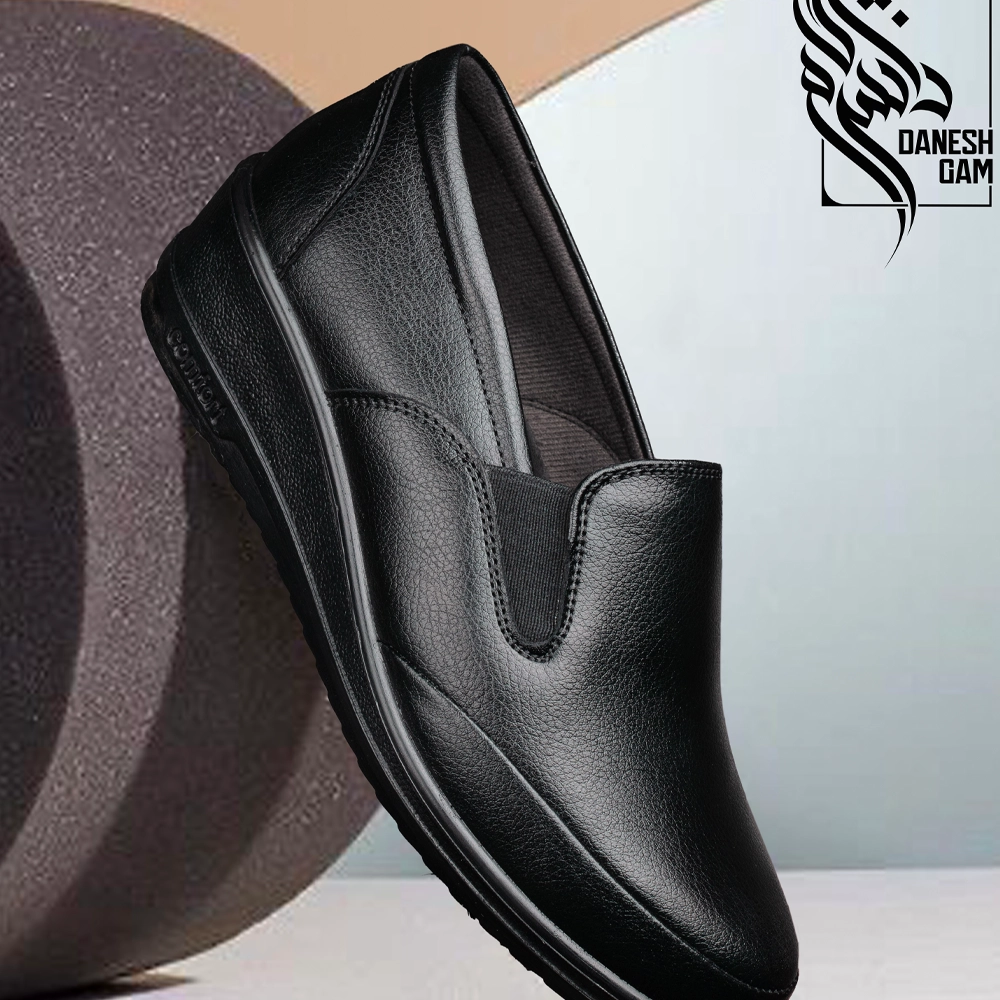
Choosing the right shoe is not just about style or fashion; it has a direct impact on the health of your feet, join spine, and even your overall quality of life. Many chronic pains in the feet, knees, and back result from prolonged use of inappropriate footwear. In this article, we explore what an orthopedic shoe is, how it differs from a regular shoe, and why it is essential for many people to use one.
What Is an Orthopedic Shoe and What Is It Used For?
An orthopedic shoe is designed based on principles of medical engineering, body ergonomics, and foot anatomy. These shoes are made to provide greater comfort, prevent injuries, and treat movement disorders.
The main uses of orthopedic shoes include:
-
Improving foot alignment during standing and walking
-
Reducing pressure on the knee and hip joints
-
Controlling abnormal foot movements
-
Enhancing blood circulation in the feet
-
Preventing calluses, corns, and diabetic ulcers
What Are the Differences Between Orthopedic Shoes and Regular Shoes?
The main differences include:
✅ Insole
-
Orthopedic shoe: Features a medical-grade, soft, arch-supported, shock-absorbing insole
-
Regular shoe: Flat, non-standard insole without proper support
✅ Heel
-
Orthopedic shoe: Standard height heel with shock absorption
-
Regular shoe: High heels, very low heels, or non-ergonomic design
✅ Materials and Construction
-
Orthopedic shoe: Made from hypoallergenic materials with good breathability
-
Regular shoe: Often focuses on appearance and made from cheaper or non-breathable materials
✅ Overall Design and Fit
-
Orthopedic shoe: Designed according to foot anatomy, matching the natural shape of the foot
-
Regular shoe: Non-standard design without considering body structure
✅ Purpose
-
Orthopedic shoe: Focuses on foot health, treatment of movement disorders, and injury prevention
-
Regular shoe: Focuses on appearance or general use without regard to foot health
📌 Note:
While regular shoes may look attractive or trendy at first glance, in the long term, they can cause issues such as plantar pain, joint inflammation, knee pain, and even back pain. Choosing orthopedic shoes is a smart choice for your current and future health.
Why Is Using Orthopedic Shoes Important?
Using orthopedic shoes, especially in today’s lifestyle where people spend a lot of time walking, standing, or sitting, is essential. Some benefits include:
-
Preventing back and knee pain
-
Preventing heel injuries (such as heel spurs)
-
Reducing daily fatigue
-
Improving balance and posture
-
Preventing blisters, wounds, and injuries in diabetic patients
Who Should Use Orthopedic Shoes?
You might think only sick people or the elderly need orthopedic shoes, but the truth is anyone at any age and condition might need them, especially:
-
People with flat feet or high arches
-
Those with heel spurs or plantar fasciitis
-
Diabetic patients with wounds or circulation problems
-
Employees or workers who stand for long hours
-
Elderly people with muscle weakness or arthritis
-
People suffering from knee pain, back pain, or scoliosis
What Features Should an Orthopedic Shoe Have?
To be truly “orthopedic,” a shoe should have at least the following features:
-
Medical-grade insole with shock absorption and arch support
-
Non-slip, flexible outsole for balance
-
High-quality, breathable, and hypoallergenic materials
-
Heel with standard height to reduce spinal pressure
-
Adequate toe space to prevent crowding of toes
-
Ergonomic design fully compatible with foot anatomy
Is Orthopedic Footwear Suitable for Everyone?
Yes, orthopedic shoes can benefit everyone. They are not only for those who have pain or specific conditions but also for preventing injuries and increasing daily comfort. Especially if your job or lifestyle requires long hours on your feet, orthopedic shoes are highly recommended.
What Harm Can Regular Shoes Cause to Feet and Back?
Continuous use of non-standard shoes, especially those with hard soles or high heels, can lead to:
-
Heel pain and heel spurs
-
Swelling and inflammation of foot joints
-
Chronic back pain
-
Blisters and wounds
-
Toe deformities (such as hammer toes)
-
Pressure on foot nerves (Tarsal tunnel syndrome)
How to Identify Genuine Orthopedic Shoes from Fakes?
To avoid buying substandard shoes labeled as “orthopedic,” pay attention to:
-
Presence of a reputable brand and product warranty
-
Use of specialized, replaceable insoles
-
Ability to test the shoe’s comfort when purchasing
-
Professional sales advice for proper shoe selection
-
Inspecting stitching quality, inner material, and sole
Final Words: Why Should You Choose the Right Shoe for Your Feet?
Your feet are the foundation of your whole body’s health. Pressure and impact transmitted through non-standard shoes can lead to serious damage to joints and the spine over time. Choosing a high-quality, standard orthopedic shoe is an investment in your present and future health.
✅ Our Recommendation:
If you are looking to buy stylish men’s or women’s orthopedic shoes with standard insoles and guaranteed quality, our store offers the latest models of orthopedic footwear at reasonable prices.
For product viewing and free consultation, visit the orthopedic shoes section on our website.

